Информация за съгласие
Използваме бисквитки, за да подобрим потребителското изживяване и да анализираме производителността.
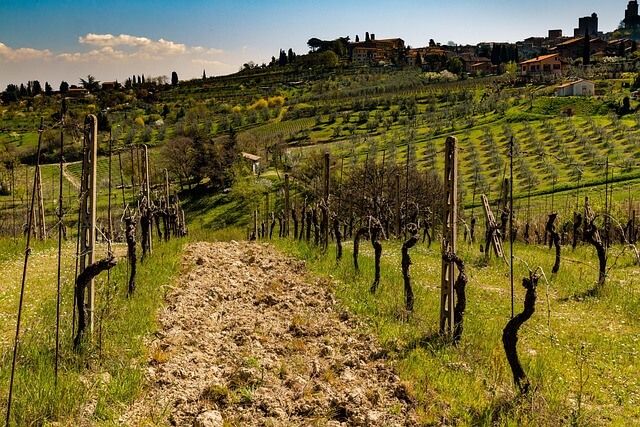
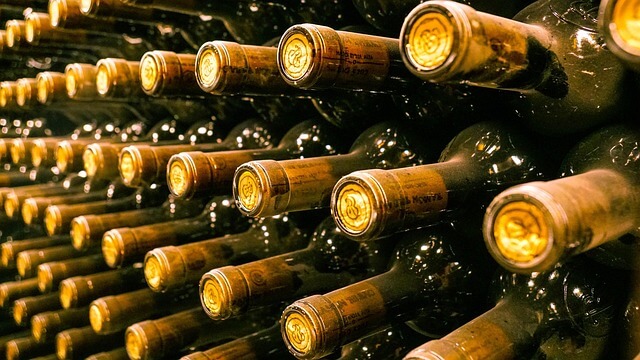
Wine does not start with the glass. It starts with the land. Entering the vineyard early in the morning. Touching the grapes. Hearing the story of wine from the man who created it. Wine tourism is not just a trip – it is an experience.
The modern model of wine tourism took shape in the 1990s and was initially actively developed in countries from the “New Wine World” – the USA, New Zealand, and Australia. Conceived as an escape from the city noise, it quickly became a global phenomenon. Wine becomes an experience, and the cellar – a scene of emotions.
Europe remains the world leader. In 2023, the continent will account for over half of global wine tourism revenues. France, Italy, and Spain attract tens of millions of travelers annually – not only for tastings, but for culture, gastronomy, and lifestyle. The engine of growth? Younger people are looking for authenticity, sustainability, and meaningful experiences.
Although on a smaller scale, Bulgaria is confidently walking this path. Over the past decade, more and more wineries have opened their doors to visitors, building tasting rooms, boutique hotels, and wine routes. The country now has over 350 wineries – each with its own character, terroir, and history.
But if there is a place that truly surprises, it is Northwestern Bulgaria.
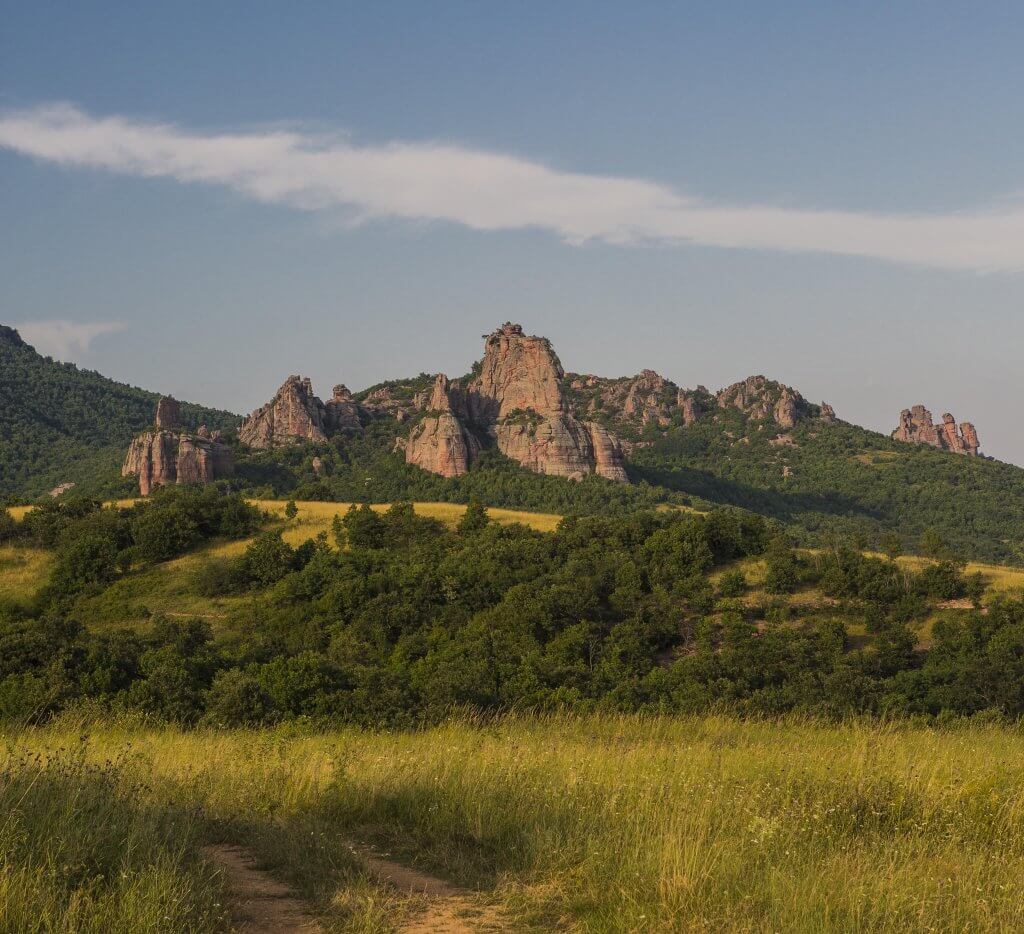
This is a region of contrasts and discoveries. A place where nature is wild, history is dense, and wine is honest and unadulterated. A region that occupies nearly a fifth of the country’s territory, but remains outside the mass tourist flows.
This is precisely what makes it so valuable.

Here, the vineyards are not a backdrop for photos – they are part of the landscape and the rhythm of life. The wineries are not tourist attractions, but living family stories. Visits are not “programs”, but meetings.
There are quite a few wineries in the region that welcome guests – most often by prior arrangement, such as Borovitsa Winery, Agrofitness, Ahinora Winery, Bononia Estate, Chateau Birgozone, Villa Grivitsa, Vrachanska Temenuga, Gorun Winery, Dos Alamos Winery, Domaine Saint Georges, Lilyache Winery, Magura 1967 Cellar, Ponte Dio Wine Project, Svishtov Winery, Tipchenitsa Winery, Charalambievi Winery, and ShaToni Winery.
This is not industrial wine tourism. This is a personal experience.
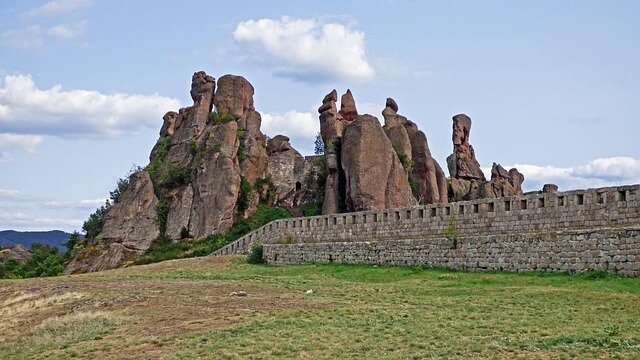
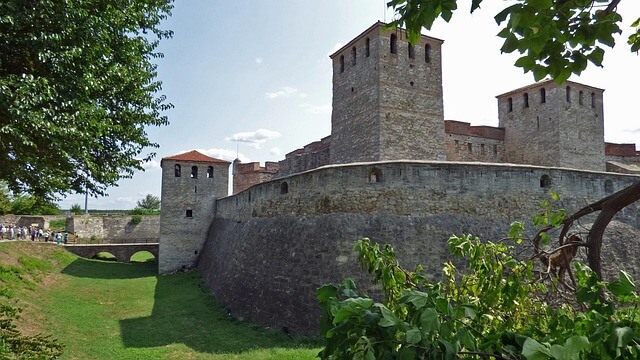
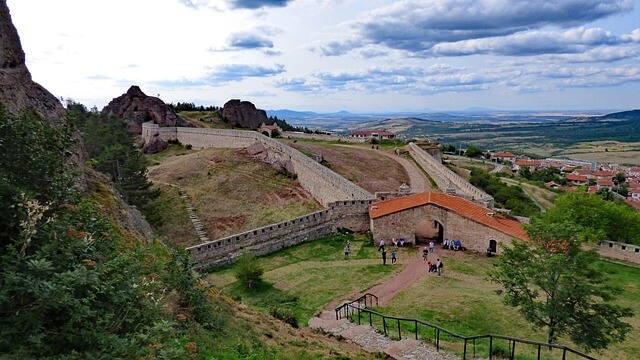
The Northwest is not only about wine. It is one of the richest parts of Bulgaria in sights:
Here you can start the day with a tasting, continue with a walk in the mountains, have lunch in a small family restaurant, and end with a glass of wine on a terrace overlooking the vineyards.
No crowds. No noise. Without the feeling that you are just a “client”.
The culinary scene in the Northwest is just as authentic. Local taverns and small restaurants don’t follow trends – they follow traditions. Home cooking, local produce, recipes with character.
This is the kind of gastronomy that goes with wine naturally, without pretensions.
Because Northwest Bulgaria isn’t trying to impress you. It’s just real.
Here you’ll find:
And perhaps most importantly, a sense of a place that hasn’t lost its soul.
If you love wine, not only as a drink, but as a culture, if you seek experiences instead of destinations, if you value silence, conversations, and real places:
Come for the wine.
Stay for the nature.
Return for the feeling.
And when planning your wine trip, don’t miss out on exploring the regional routes and wineries – this part of Bulgaria has much more to tell than you’ve heard so far.